
Kintsugi Village Urban Garden
Where Nature, Learning, and Community Take Root
At Kintsugi, we are transforming what once was vacant and unstewarded ground into a living, breathing campus of connection – where art, learning, health, nature, and community come together to restore and to imagine what’s possible.
A Living Loop of Nourishment
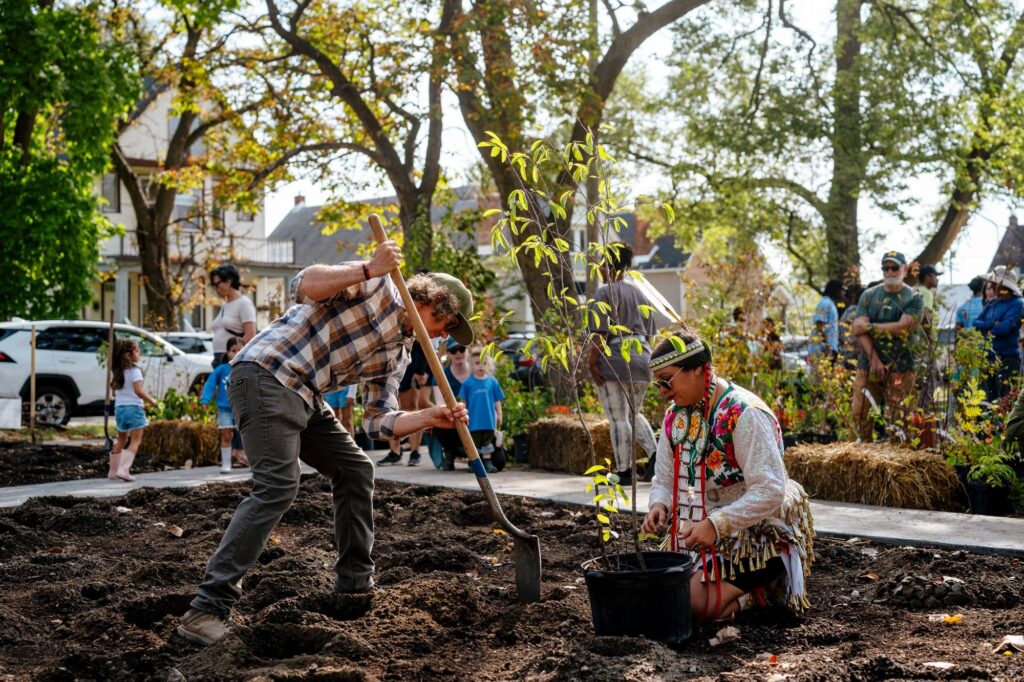
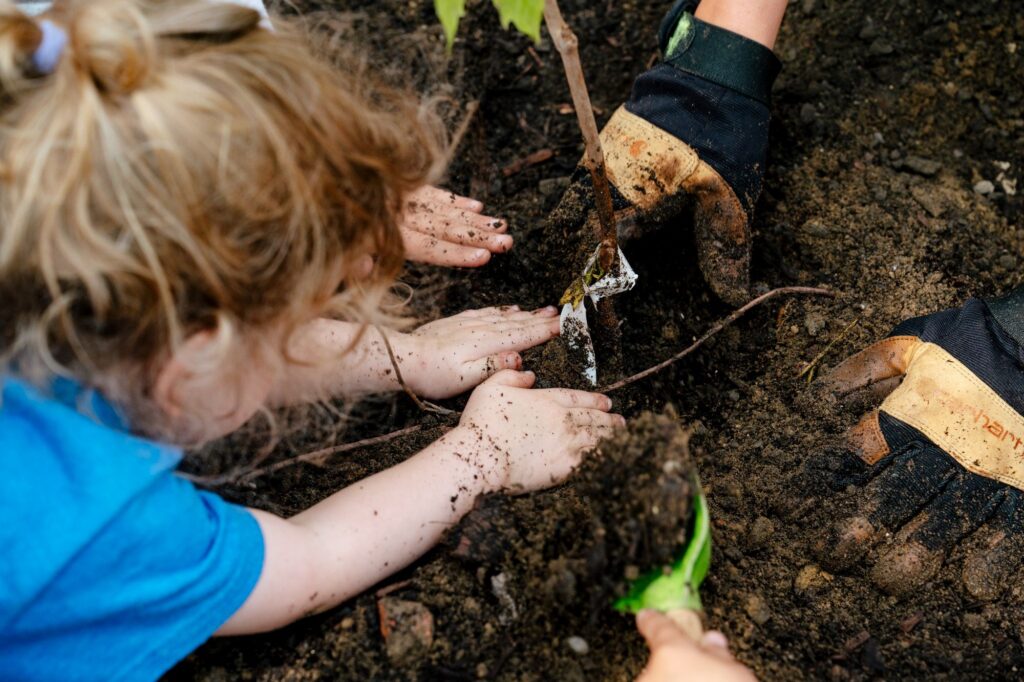
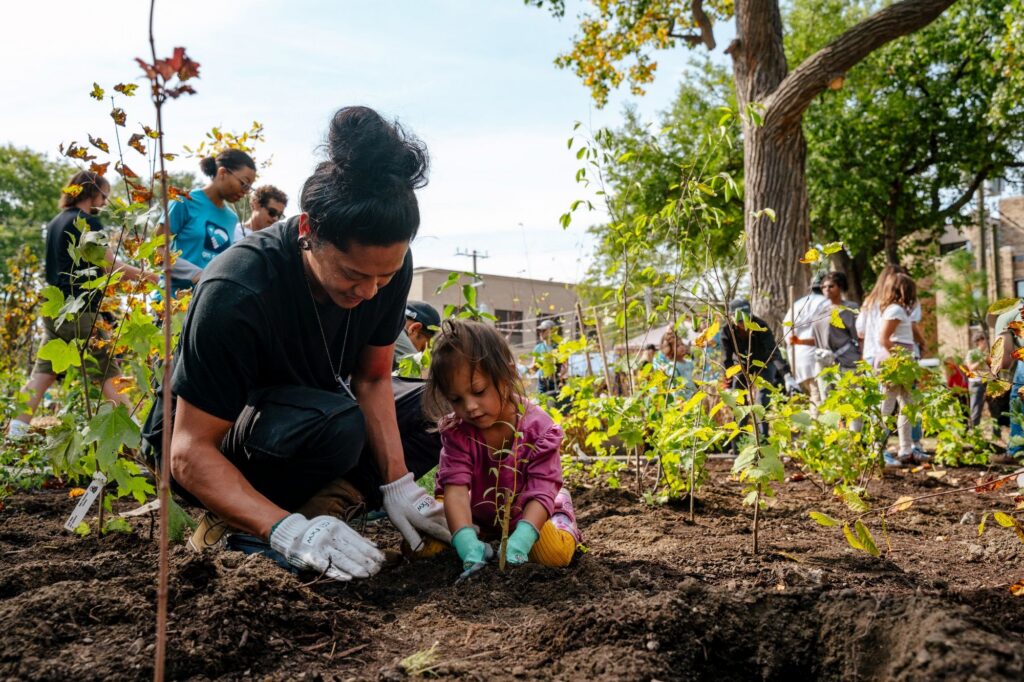
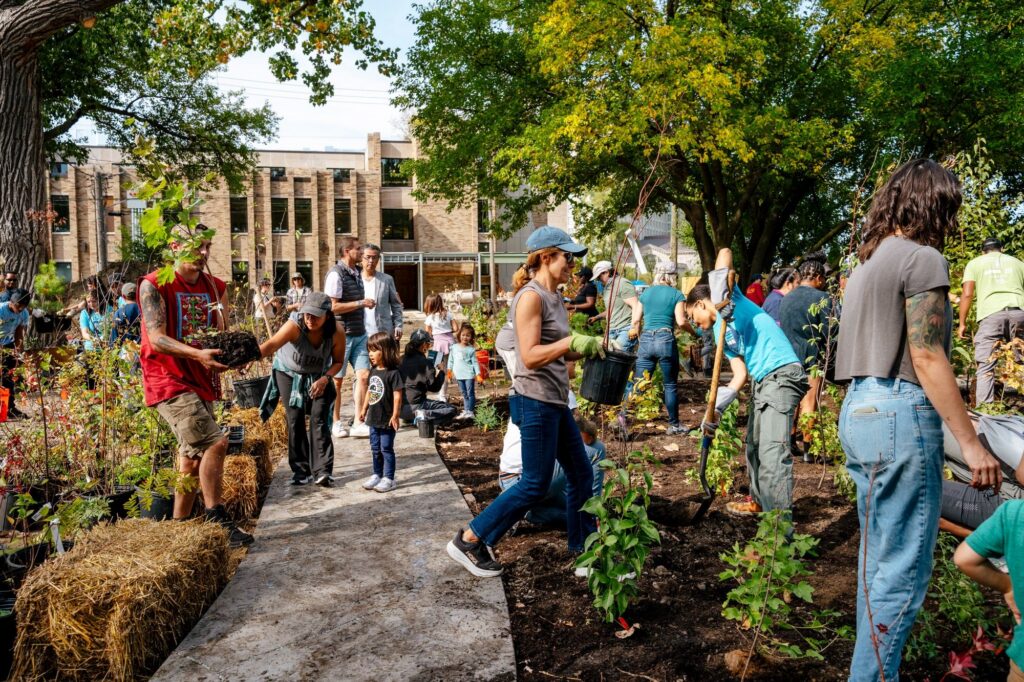
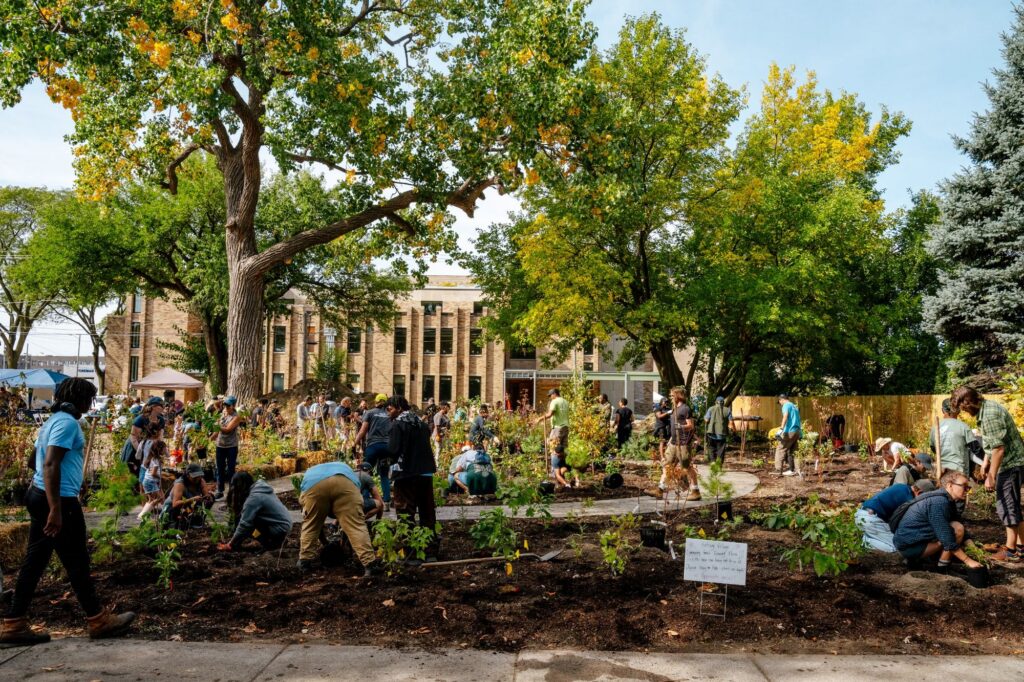
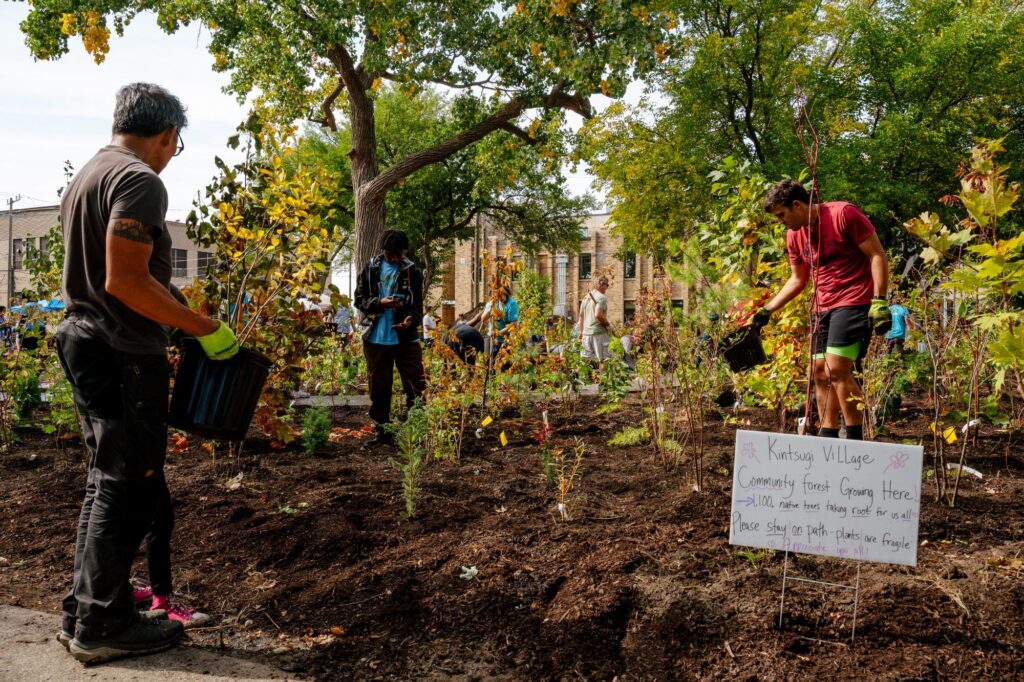
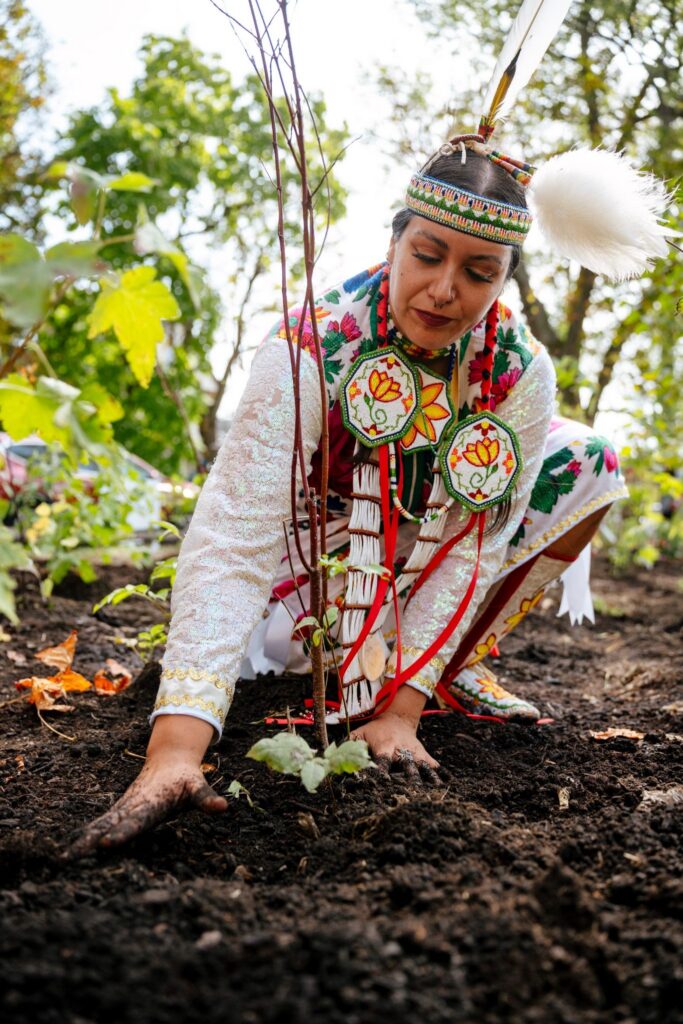
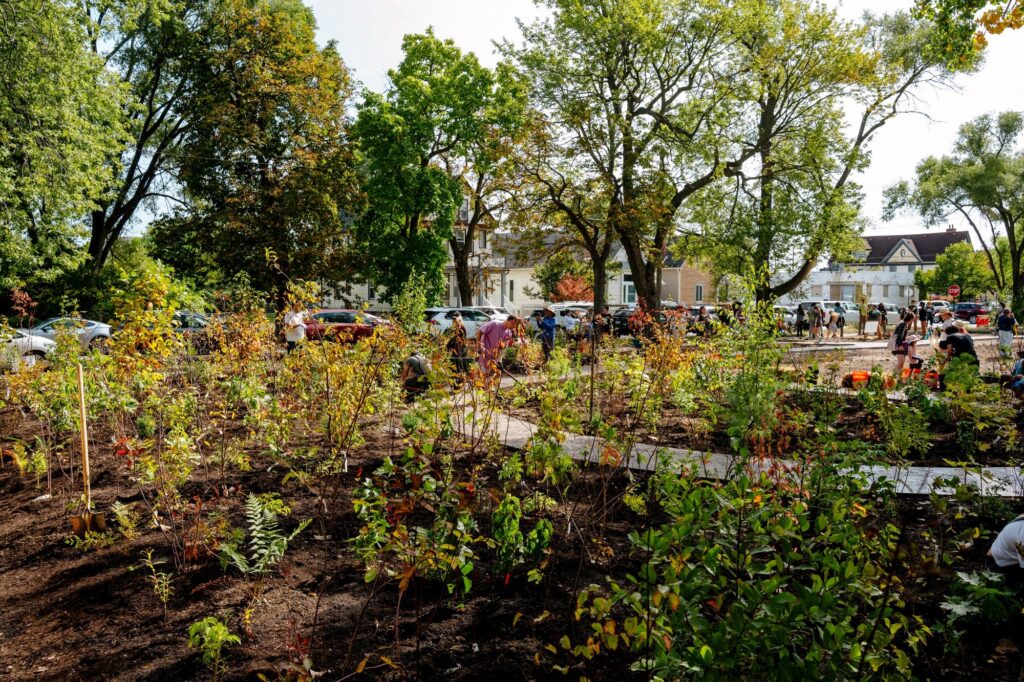
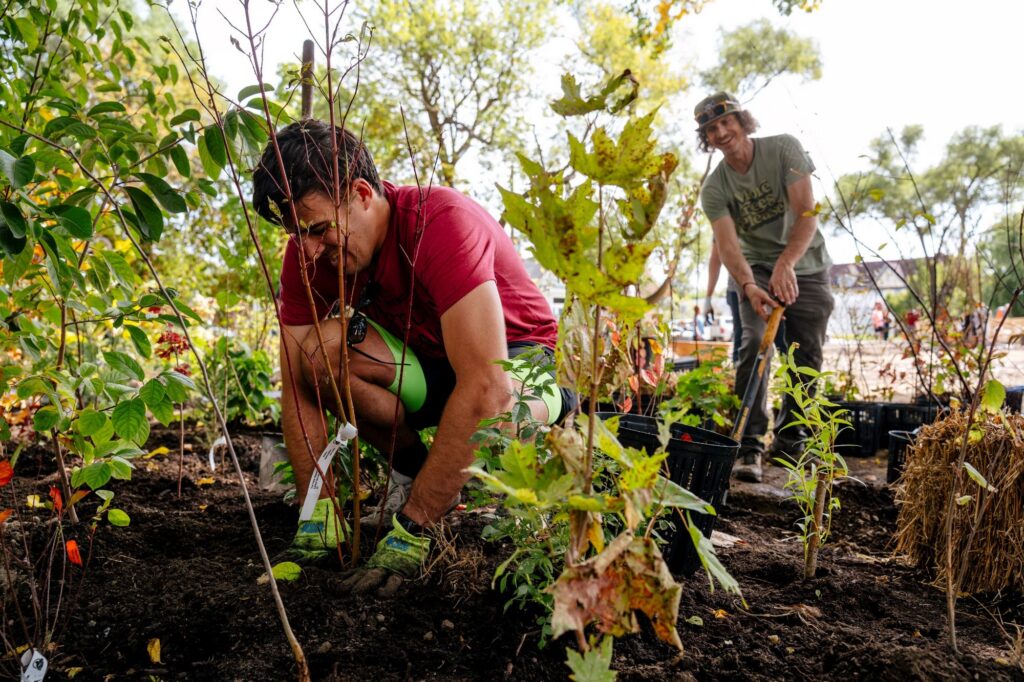
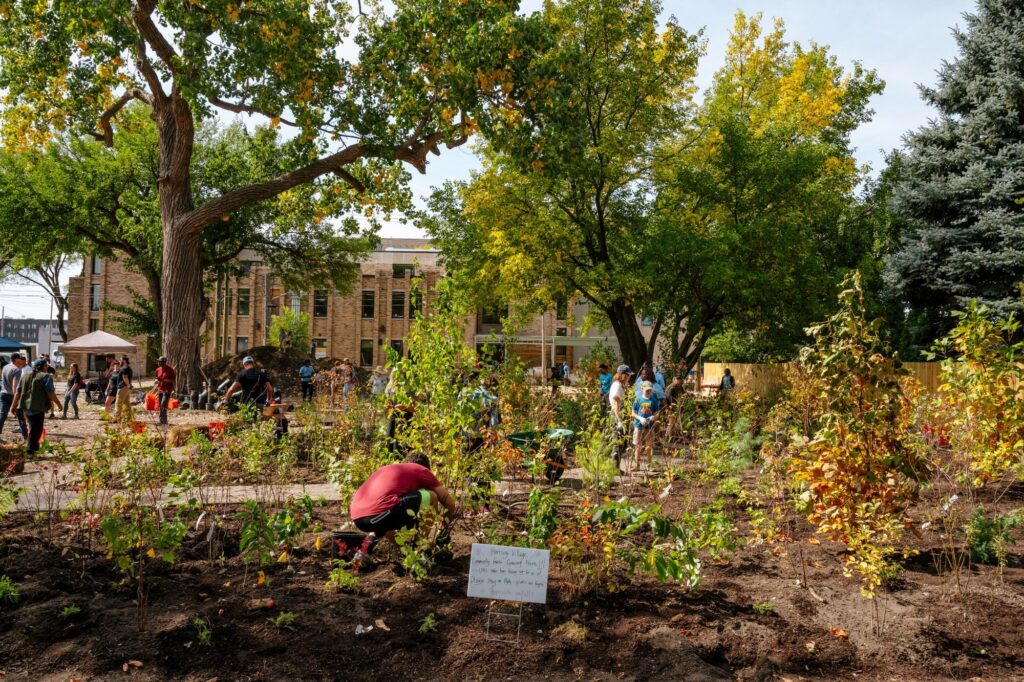
Across our grounds, each element is intentionally designed to nourish both people and the planet. On one end, over 1,100 native trees and shrubs form the Kintsugi Pocket Forest, planted in September 2025 through a collaboration with local ecological partners – a living classroom and sanctuary that teaches resilience, regeneration, and rootedness.
On the other end, a community garden with 26 raised beds will bloom with food and flowers – a place where children learn to plant, taste, and share; where neighbors and partners gather to eat together; and where retreat groups and families find common ground around a table. A small farm stand will allow students to share their harvest with the community, bridging school and neighborhood through acts of nourishment.

A Path That Connects It All
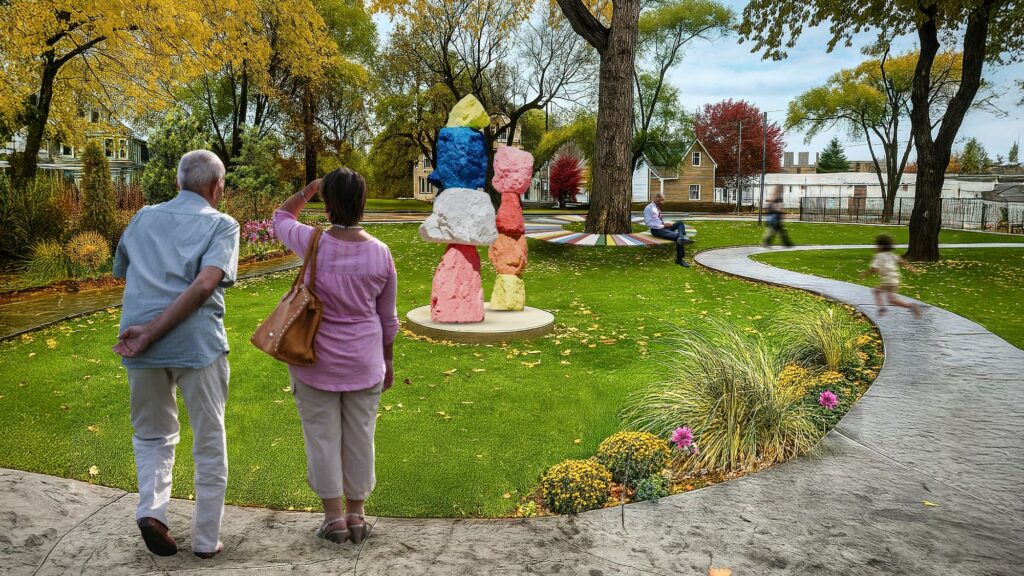
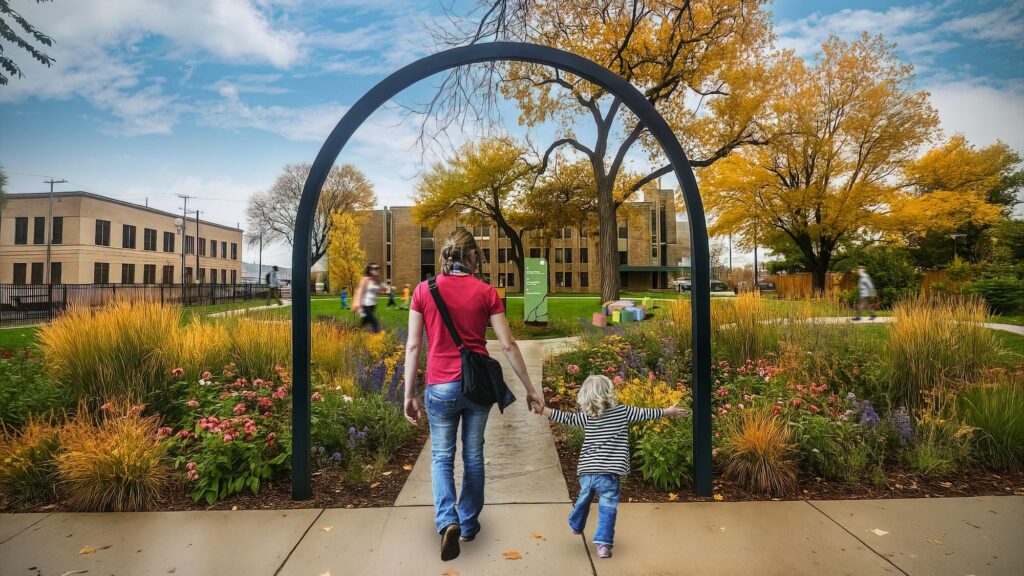
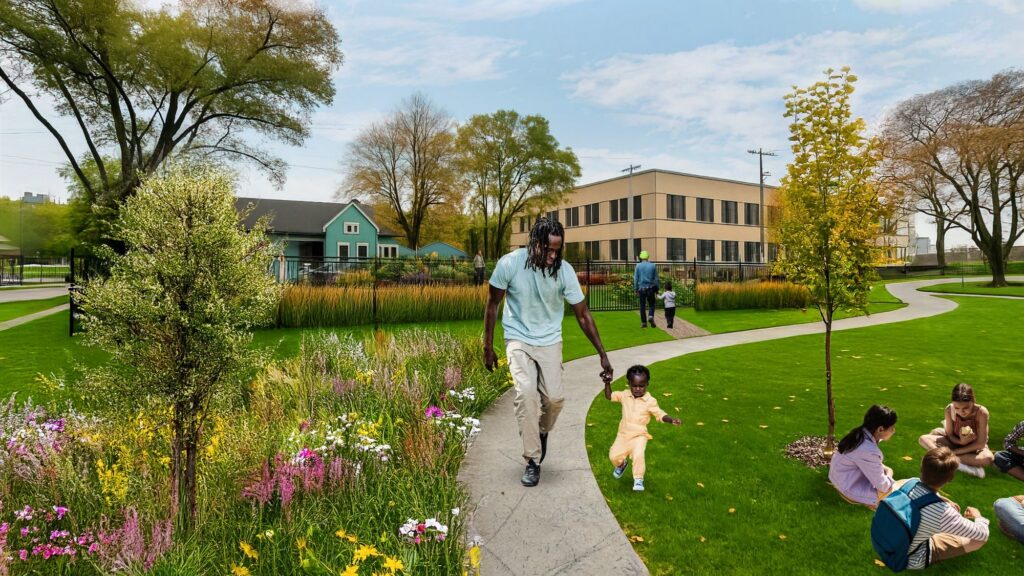
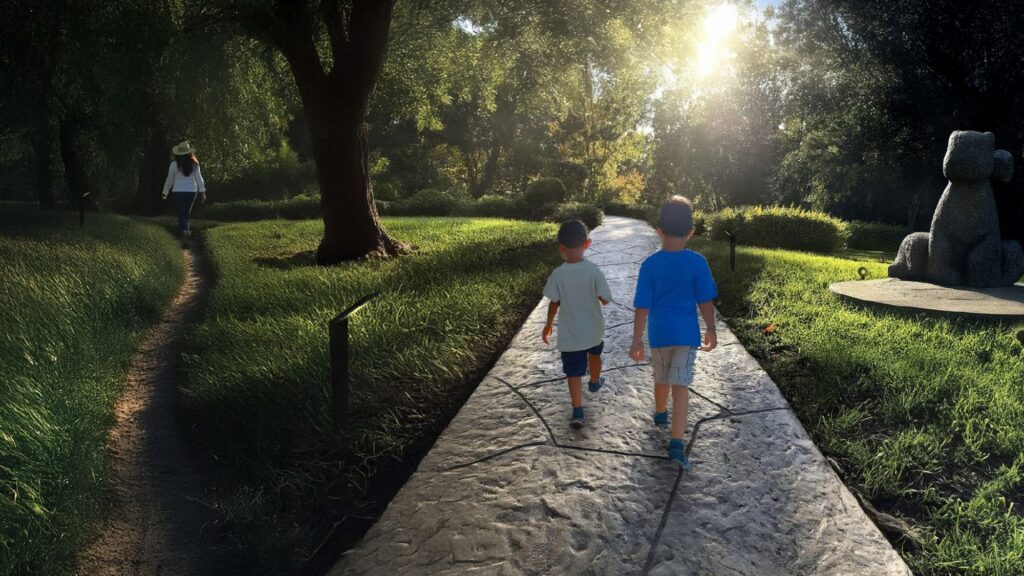
Connecting these spaces of nourishment – food for people and food for nature – is a circular pathway that winds through the property and frames a large, open green for gathering and events. We see this as an urban trail system in miniature – an inviting loop for movement, mindfulness, and discovery, where art installations, sculptural seating, and native plantings spark curiosity at every turn.

Design That Teaches
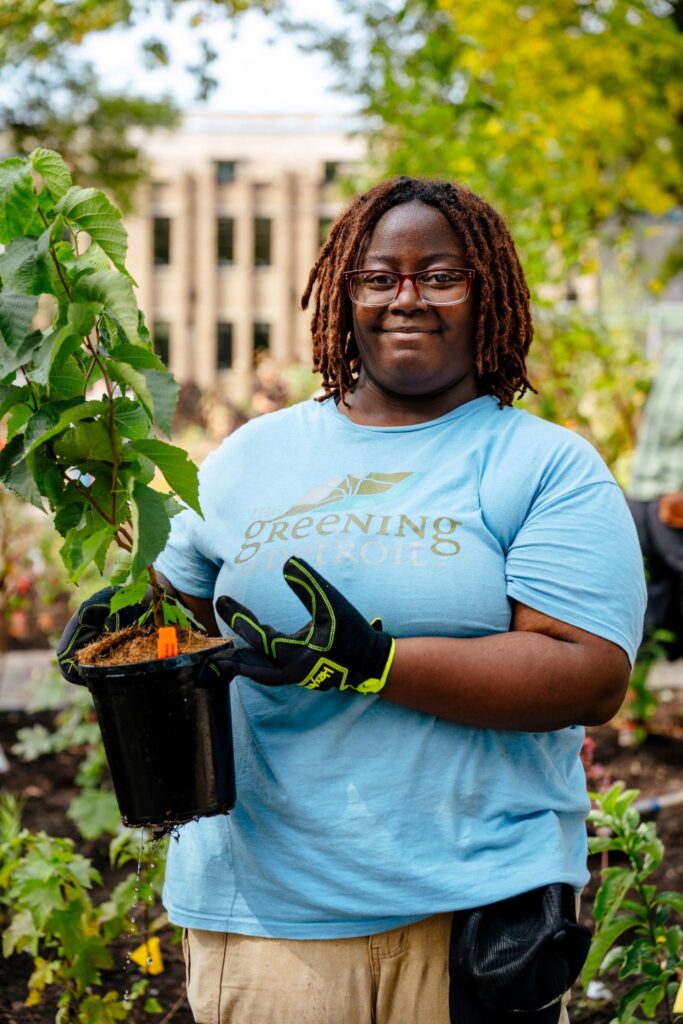
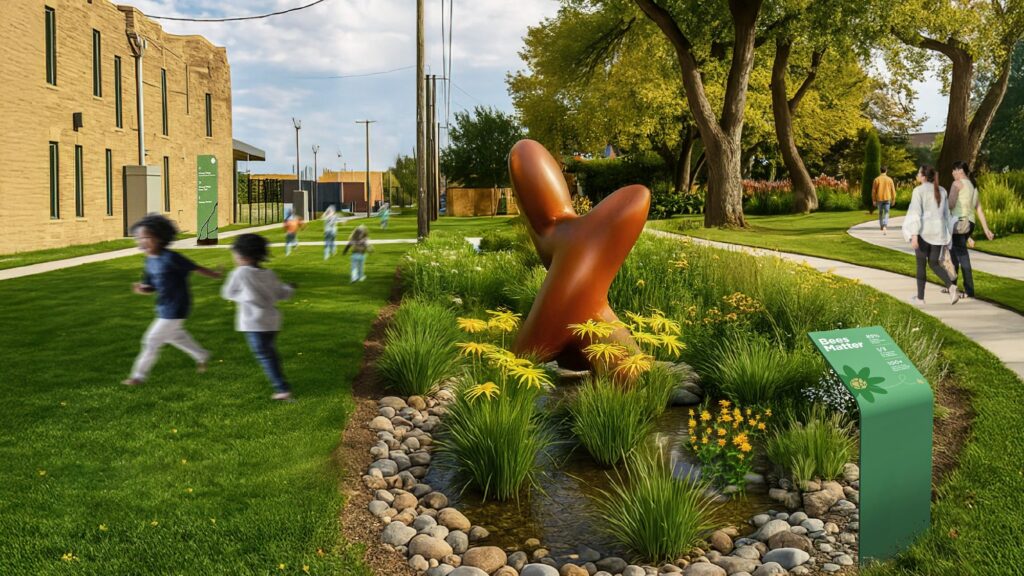
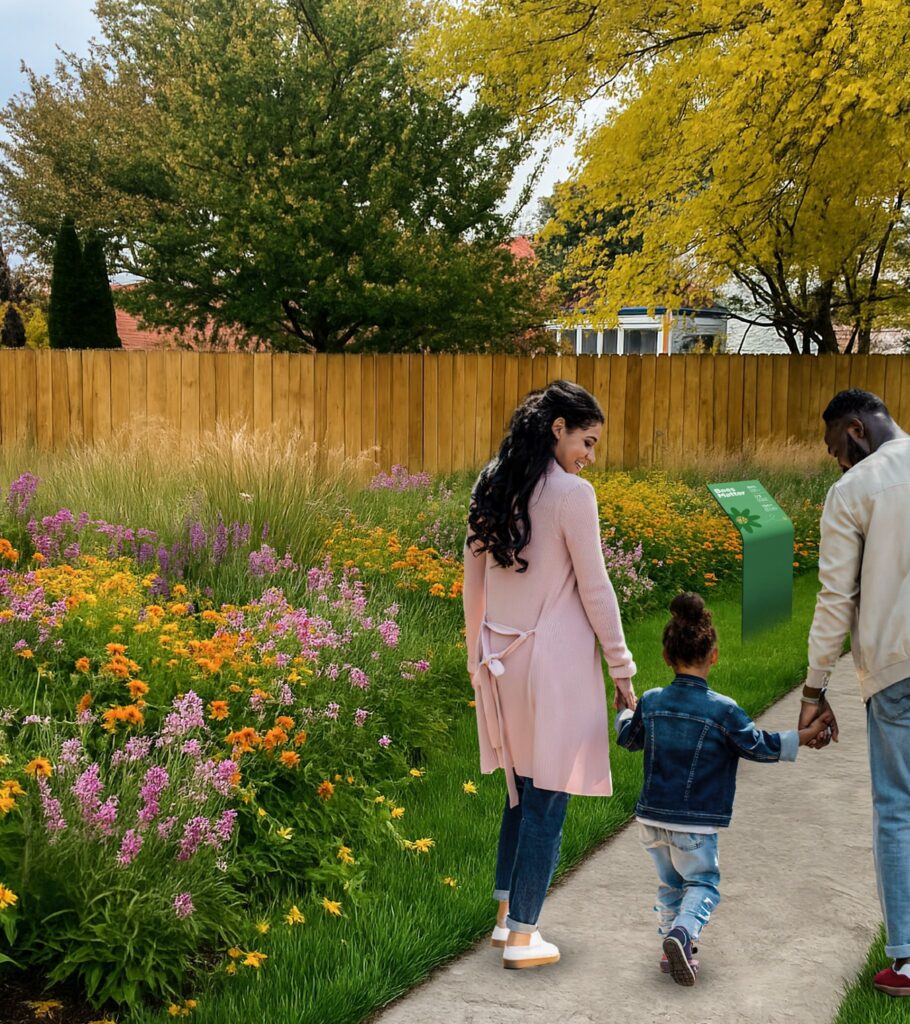
Through partnerships with organizations like U.S. Fish & Wildlife Service, Greening of Detroit, Brightside Collective, and Featherstone Garden, the grounds are becoming a model for ecological education and community-centered design. Together, we are building five native demonstration areas that will be placed along the street perimeters, sprinkled across the former alleyway, and the school entrance – each showcasing how beauty and function can coexist. A future rain garden, pollinator patches, and mini meadows will capture stormwater, attract pollinators, and teach visitors how simple design choices can heal urban ecosystems.
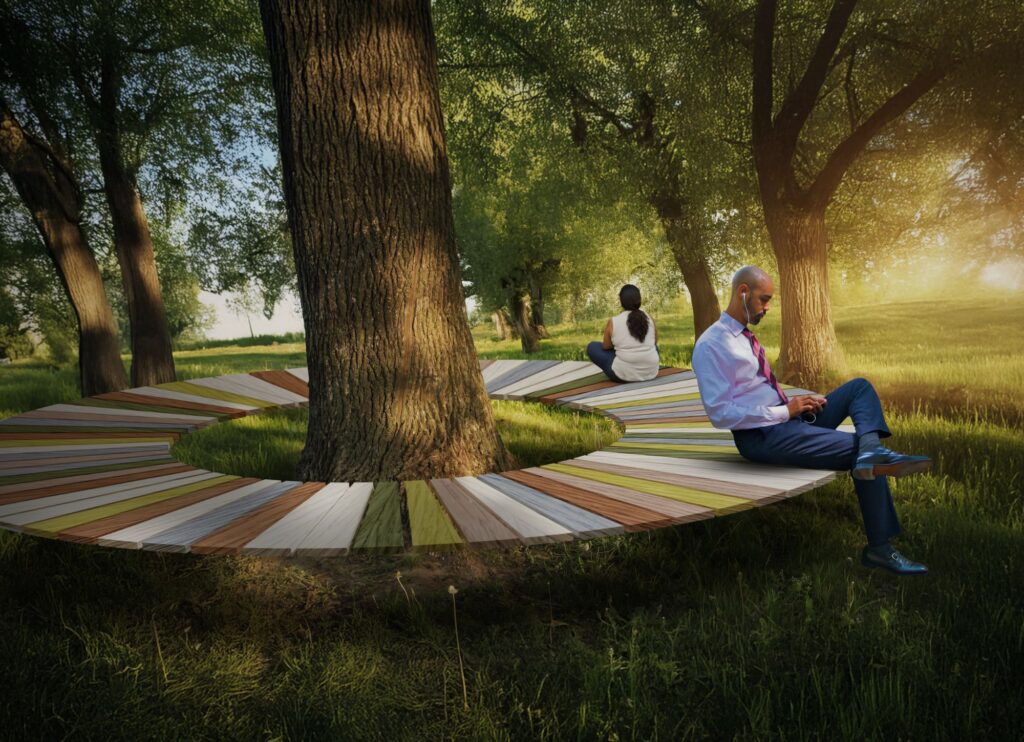
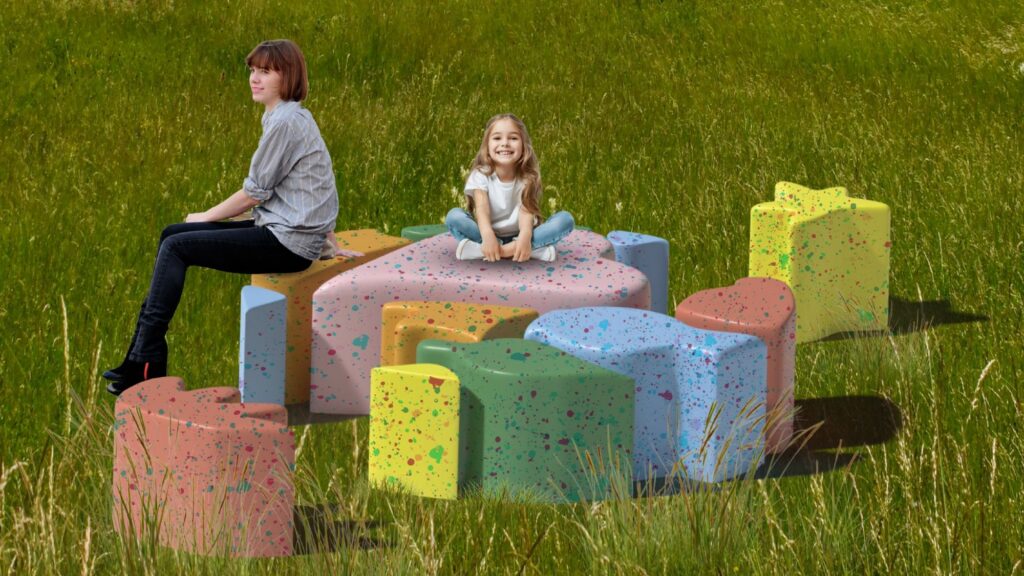
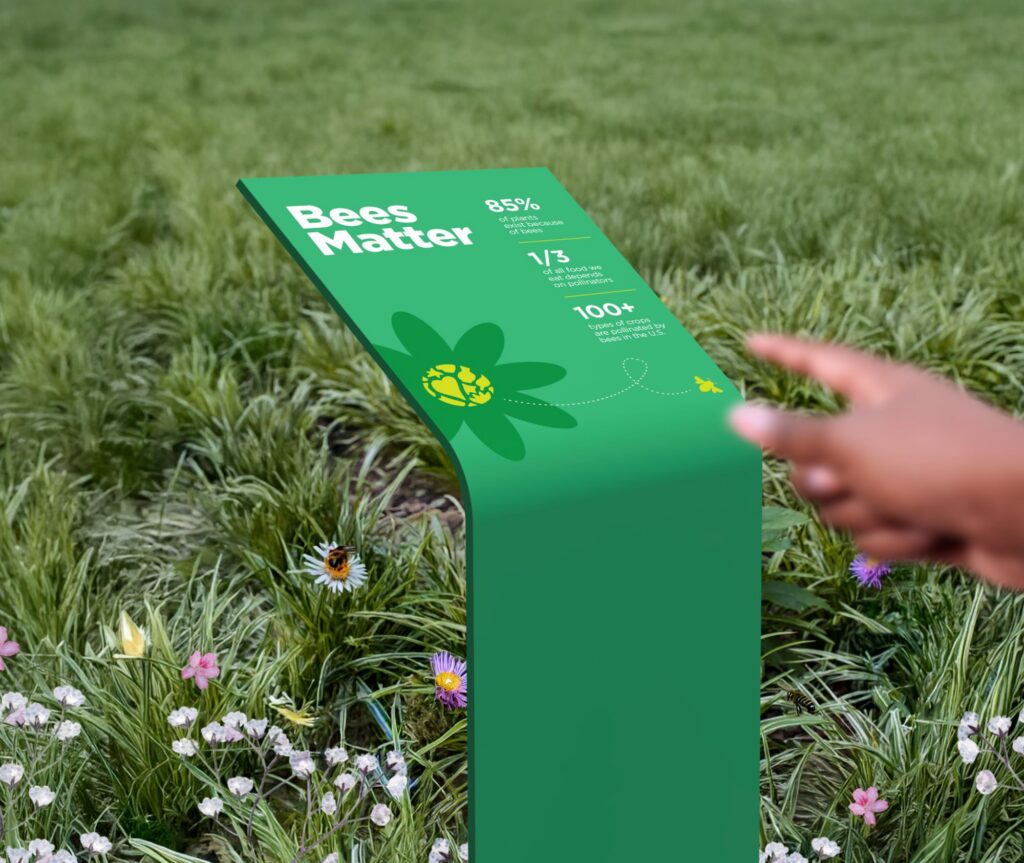
The entire landscape is both gallery and classroom – art and ecology intertwined. A colorful circular bench crafted by a local artist will invite people to sit and gaze upward into the trees, while new sculptural seating made from recycled materials celebrates creativity born from care. Around the site, interpretive signage will guide movement and tell stories: of plants, of people, and of the power of healing land together.


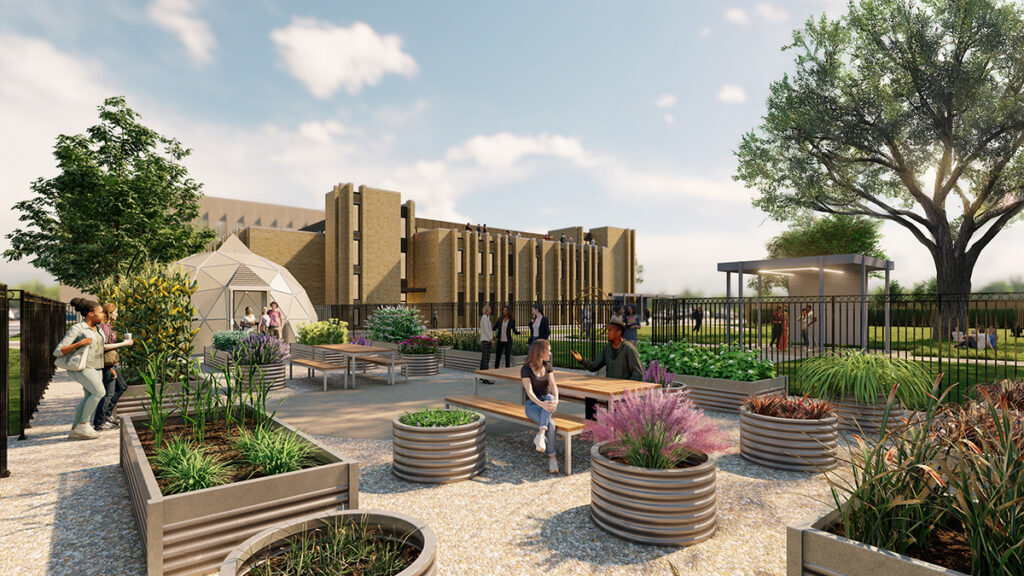
designing for regeneration
This is more than landscaping. It is placemaking as healing – a tangible model of what Detroit’s future can hold.
Rooted in a city redefining its open spaces, turning disinvestment into renewal, and proving that even small acts of stewardship can lead to profound transformation. In the midst of the city’s growing network of greenways and reimagined parks, Kintsugi Village Grounds stands as a microcosm of what is possible when we curate and design differently… for people and for the planet.