A Recipe for Belonging
Serves: everyone. Best enjoyed together, with seconds.
To belong is to feel at home. Here’s how we’ve been cooking it up at the Village.
Ingredients
- Pinch of imagination
- One artist, willing to make the first mark
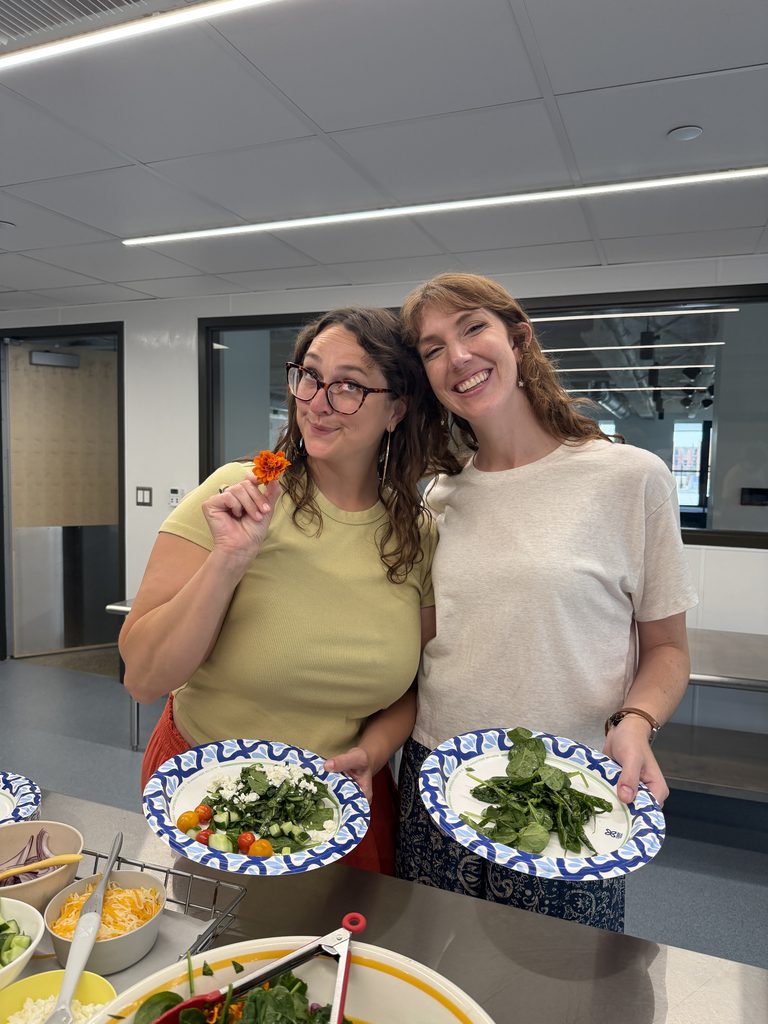
- One chef who cooks with someone in mind
- One farmer with soil under the nails
- Handful of curious kids
- Dash of patience
- Laughter, to taste
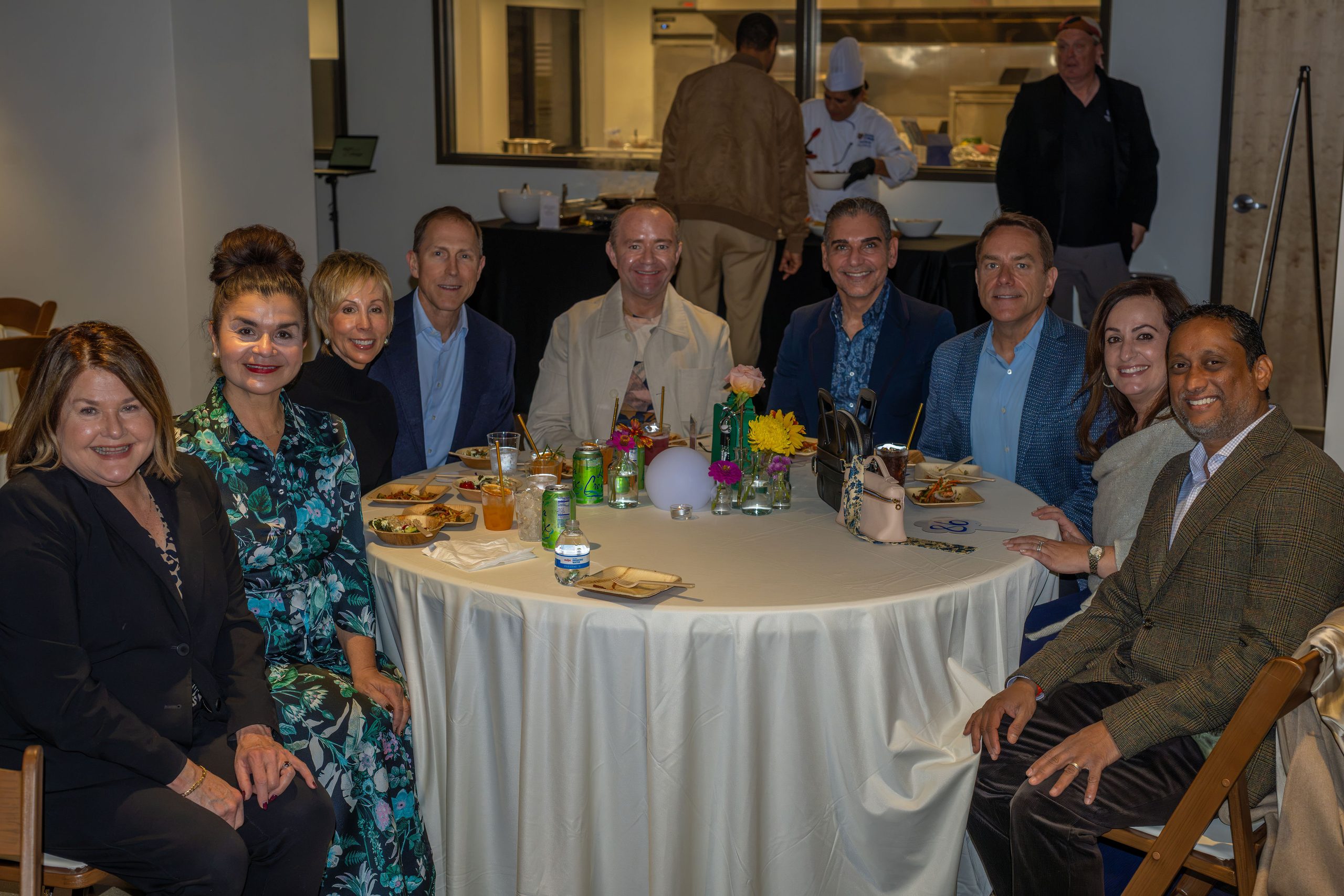
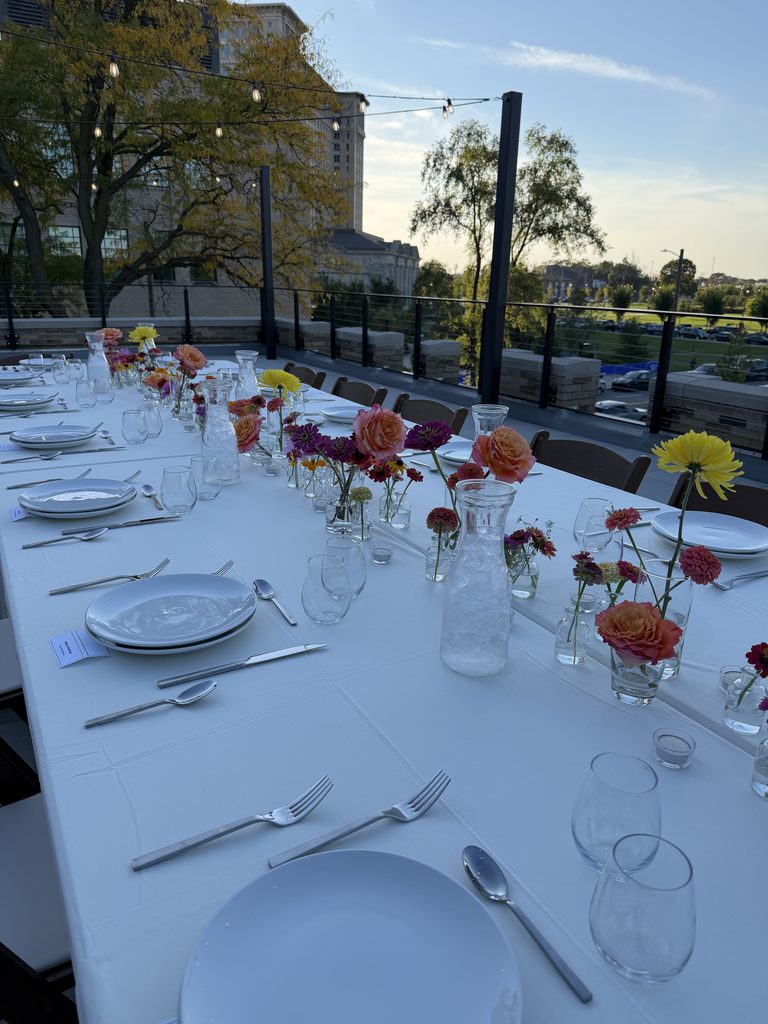
- A table with room for one more chair
Directions:
1. Start with a pinch of imagination
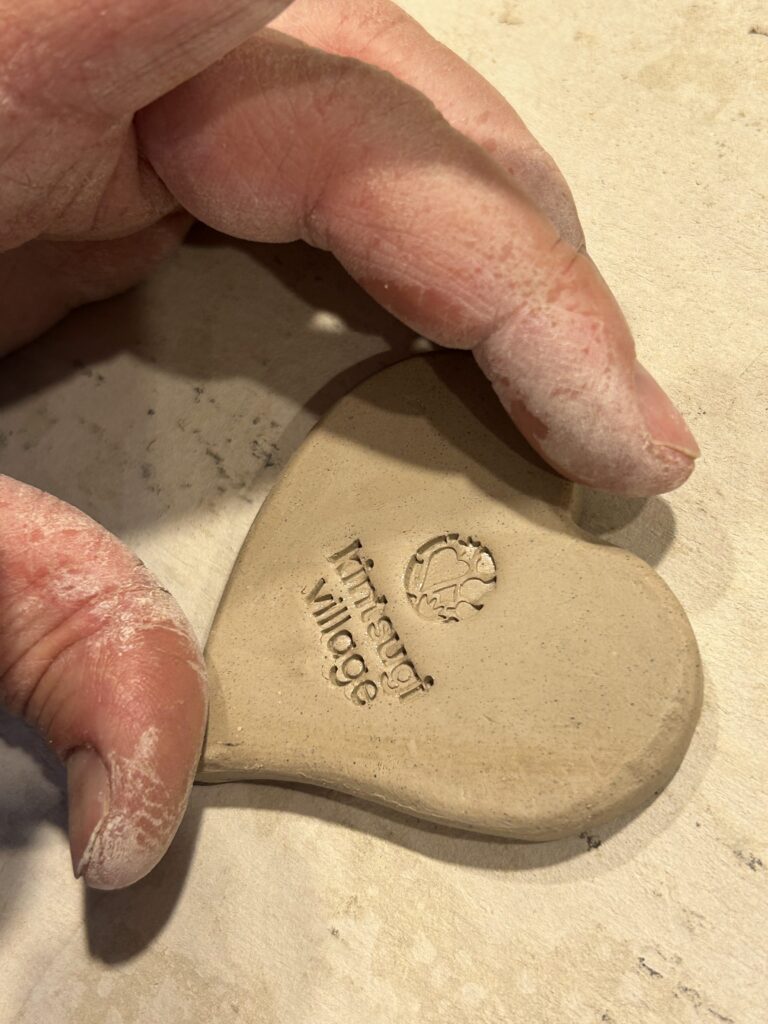
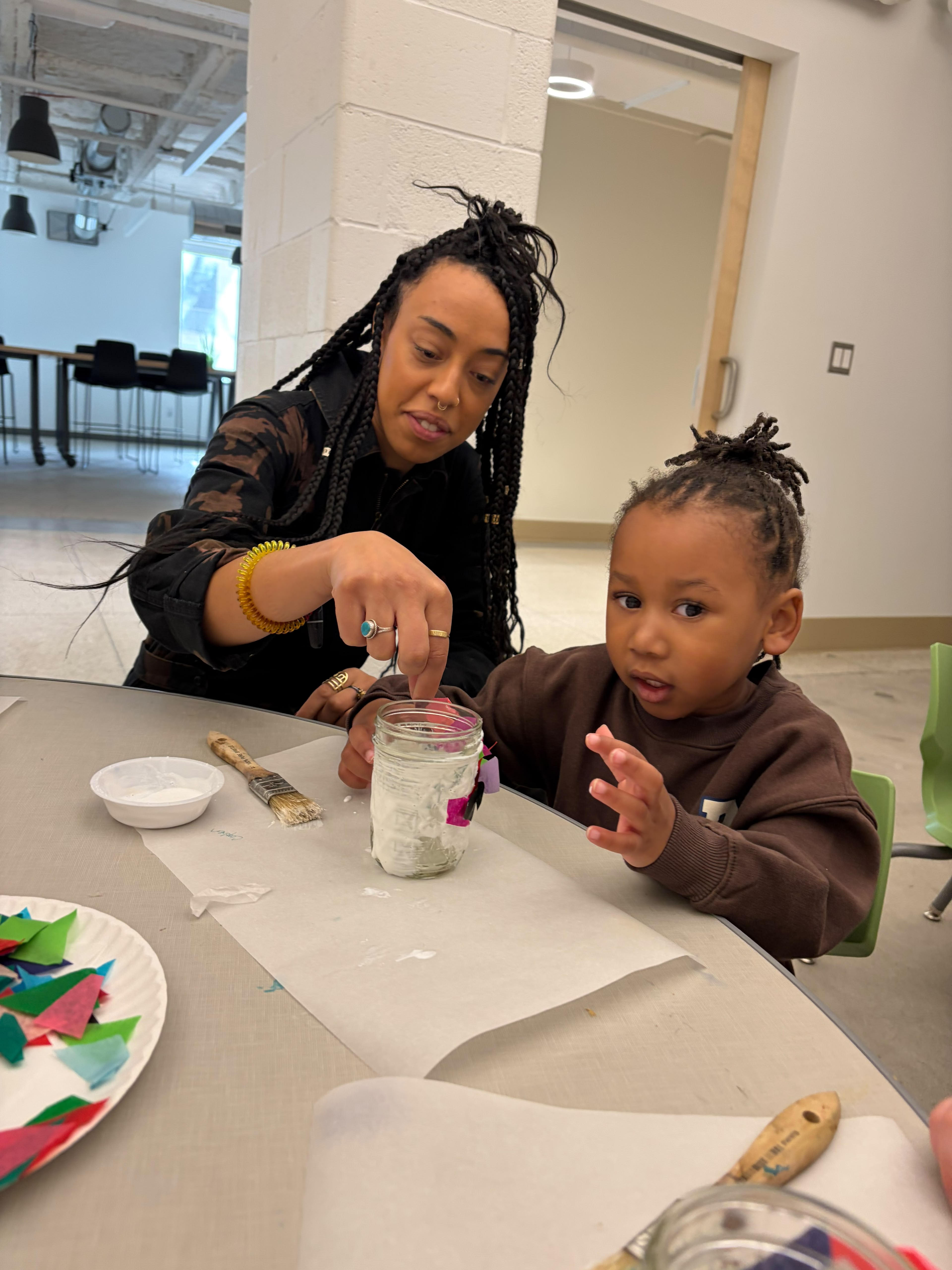
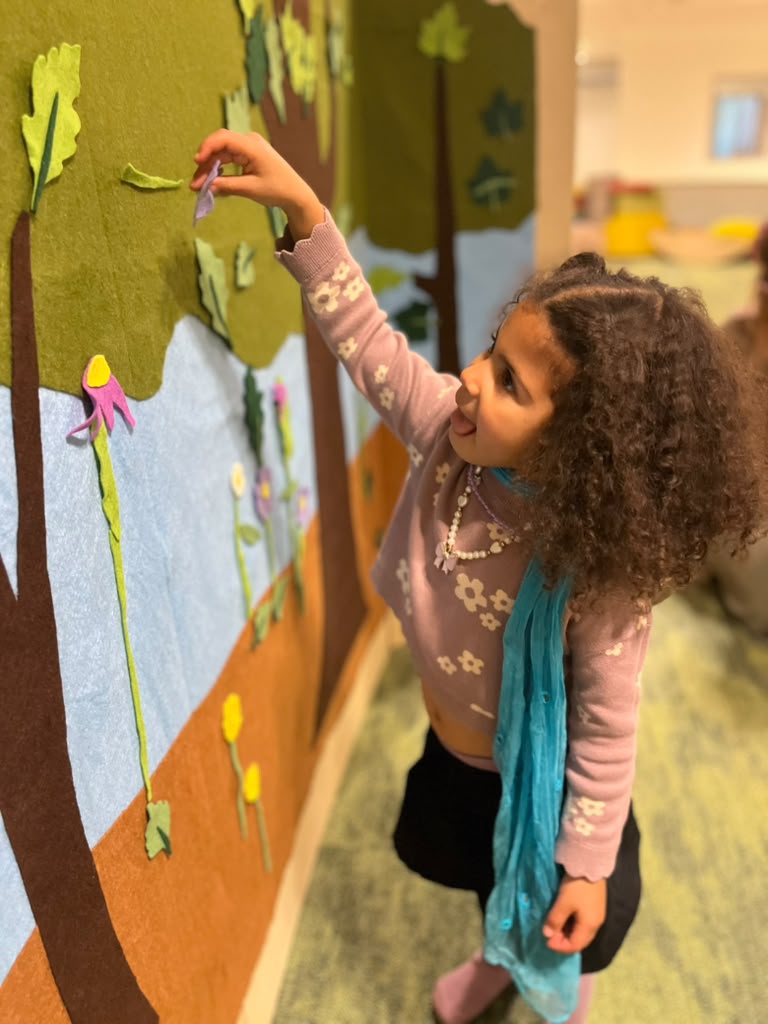
Every space begins with someone willing to make the first mark. At the Village, that’s our artists: muralist on a ladder, a painter’s studio door always open, a canvas drying by the window. They look at an ordinary wall or a lump of clay and see something no one else does, and then they invite the rest of us to see it too.
Here’s the part we love most: a space with art in it feels lived in. It tells you someone cared enough to leave a piece of themselves here, and that you’re welcome to do the same. We all have an artist in us. It’s the lamp tucked into the corner of the table, the doodle in the margin, the mug you always reach for first. Each little mark says, “I was here.” And when you can see yourself in a place, you start to feel at home in it.
Art also reminds us there’s more than one way to look at the same thing. Different perspectives, different designs and different ways of doing things all stir together into a space where every idea and every person has a seat at the table
2. Season with someone in mind.
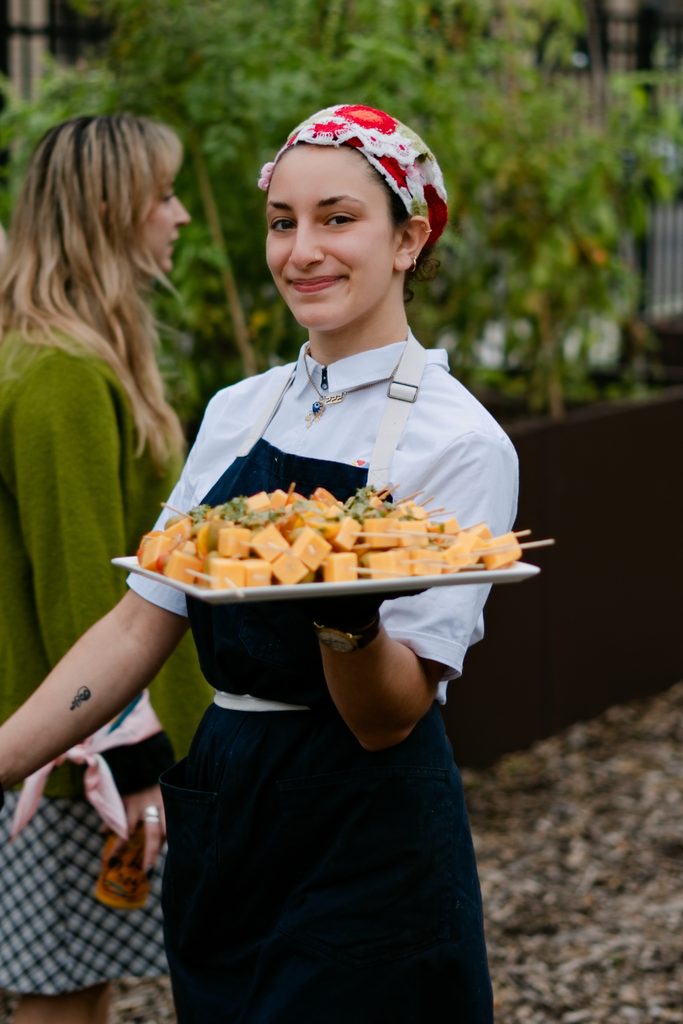
Every good meal starts with someone thinking about you before you walk in the door. Mix the flavors or keep them apart? A little more spice, or will the little ones wrinkle their noses? What to change and what to keep? That’s the quiet art of cooking: a hundred tiny decisions made with other people in mind. It’s a labor of love, and a way of saying “we want you here.”
Our chefs give our kids that gift every day. The smell of something roasting down the hall, a kid announcing the soup is “the best ever,” the chef who knows who won’t eat the crust. Around the table, they pass, taste and trade opinions, and somehow talk about the food turns into talk about home. “My grandma makes this.” “I don’t like it, but I’ll try it.” Little by little, they’re sharing who they are. And being known, picky preferences included, is what lets us feel we belong.
3. Give it time to grow
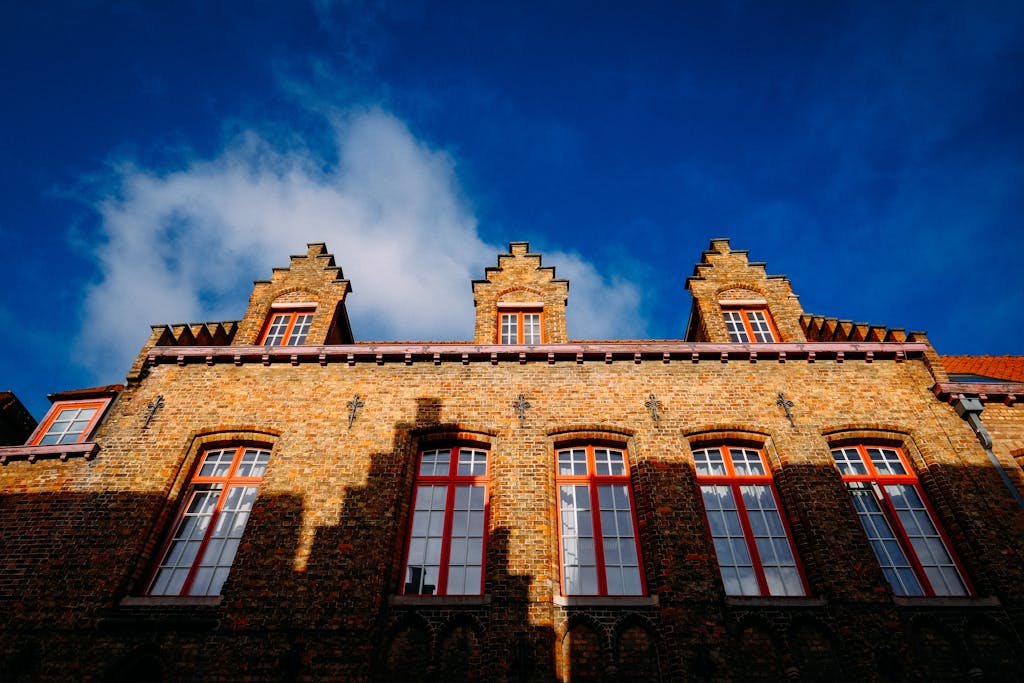
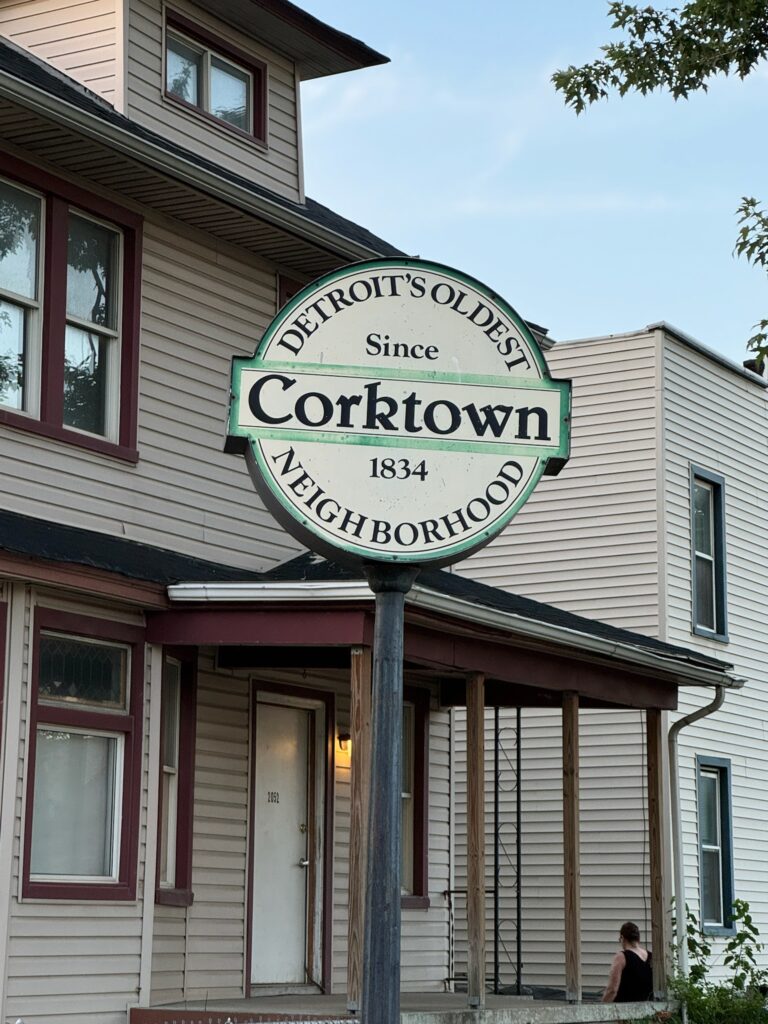
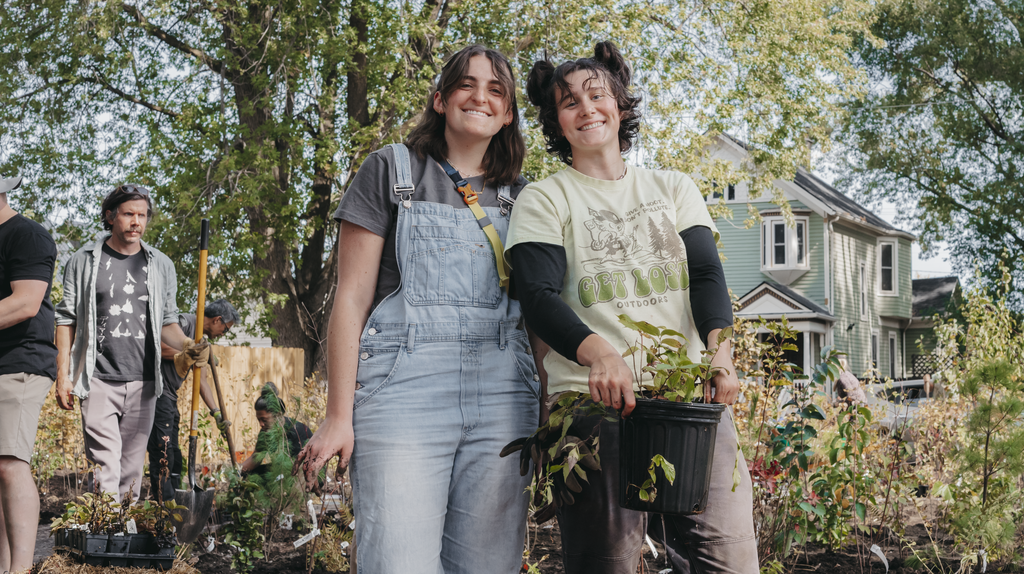
Belonging grows from roots, and ours go back further than we do. When we welcomed this building into our story, we learned it had once been a school for the neighborhood. Children were learning, laughing and lining up for recess here long before we arrived. So when we began opening our own school, it felt less like starting something new and more like picking up a thread. A park and garden had to be part of it.
Our farmers helped us read the land and prepare the ground. Then came the part that can’t be rushed: we planted, we watered, we waited. And when the harvest came, it tasted that much better, because our hands were in it. That’s the secret about roots. Once you’ve helped something grow, you’re part of it, and it’s part of you. We planted these roots and tended them, and now they give back. Our park is full of neighbors everyday, each one belongs.
4. Stir in a handful of “why?”s
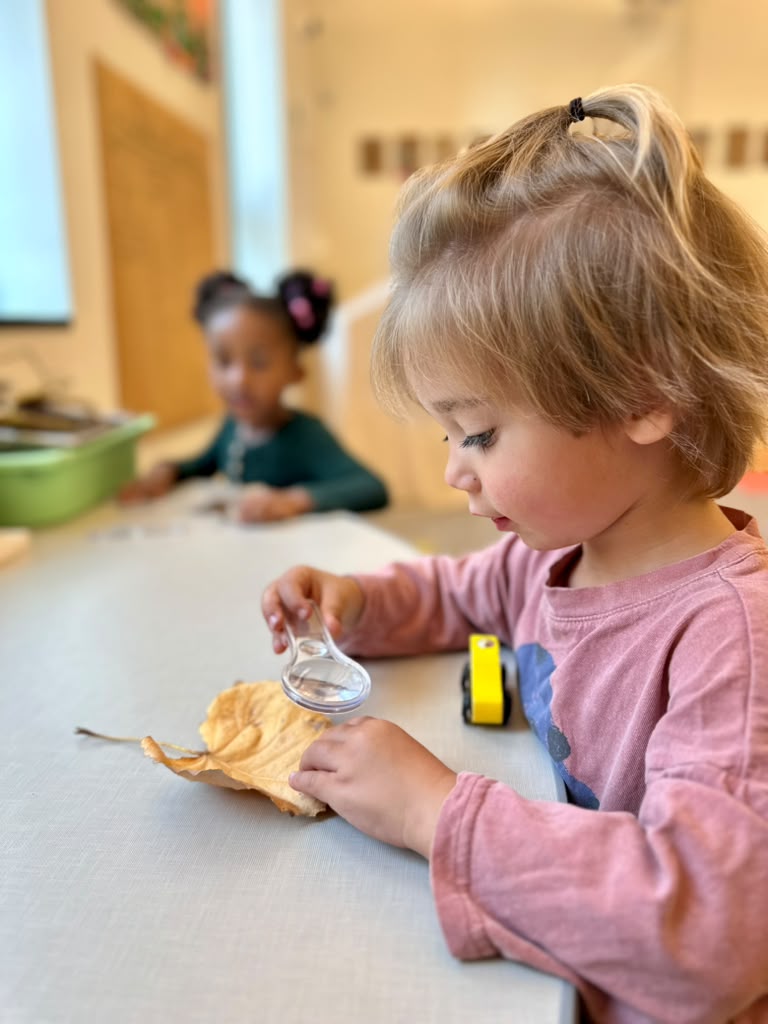
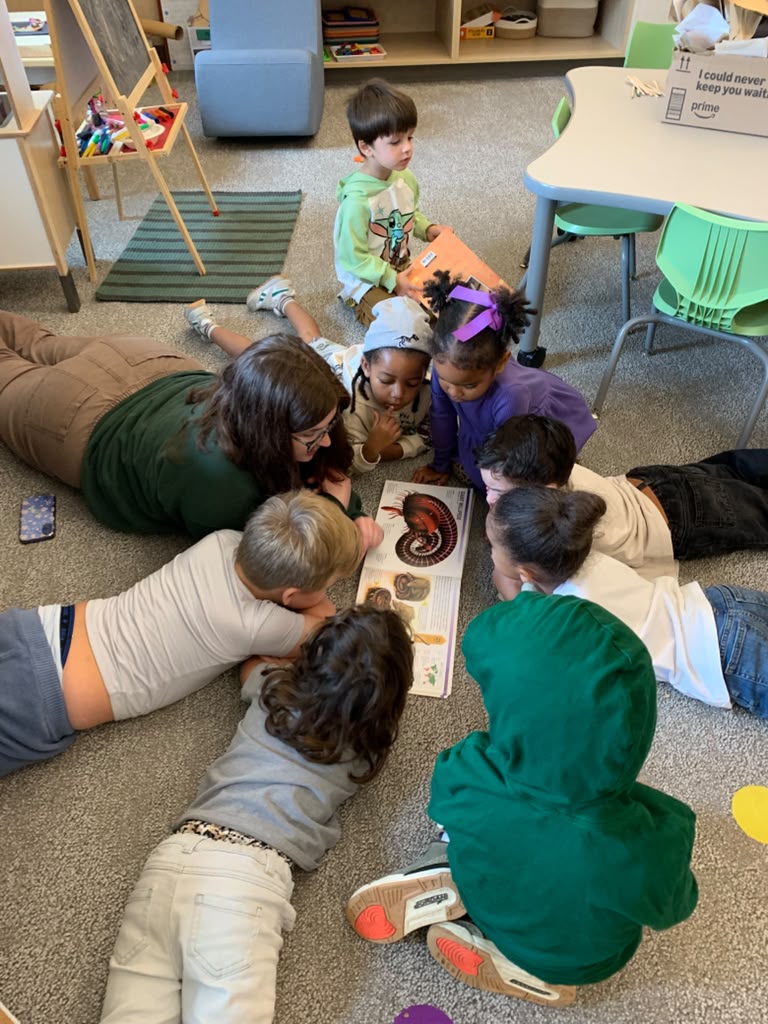
Children stir things up in the best way. They make us silly, loosen our shoulders and nudge us to be a little braver. By the 15th “why?” you remember you’re watching someone discover the world in real time. “Why is the soup orange?” “Why do worms like the dirt?” Their questions invite us to step back and wonder why things are the way they are, and maybe to try them a different way.
And while they’re busy asking, they’re also busy finding their place. Kids never wonder whether they’re allowed to belong. They simply assume it, because they trust that the grown-ups around them are hosts, people who know the place and will gladly show them around. You can see it when their artwork goes up on the wall, when a friend saves them a seat at the lunch table, when they hang their jacket in the cubby with their name. Little by little, they’re learning that this is their place too.
It makes you wonder what kind of space we want to build for them. One where their marks stay on the walls, their questions get real answers, and a friend is always ready to push them on the swings.
5. Set the table · Pass the bread · Serve together
Here’s the thing about belonging: no one does it alone. It happens when the artist’s mural becomes the backdrop for lunch, when the farmer’s tomatoes land on the chef’s table, when a kid drags a grandparent over to see their garden. It’s the neighbor’s smile that greets you every morning. It’s the friend you can’t wait to tell about your new idea. It’s the laugh at the party that reminded you why you love these people.
None of it is complicated.
Pull up a chair, pass the bread and let the pieces find each other.
Add a pinch of time.
Repeat often.
Every recipe is really a thank-you to the people who showed us how it’s done. To everyone who has ever made a mark, set a place or planted something with us: you’re the reason it tastes like home.